
1.1. Superior Nutrition: A Natural Source of Protein, Fat, and Immunity
Black Soldier Fly larvae (Hermetia illucens, BSF) represent a revolutionary approach to poultry feeding, offering a balanced and highly digestible source of nutrients that surpasses many traditional feed ingredients. Their unique biochemical composition makes them an ideal component for the diets of both broilers and laying hens, promoting not only growth and productivity but also strengthening the overall health of the flock. The rich protein, beneficial fats, and immunomodulatory substances contained in the larvae work synergistically, providing comprehensive support to the bird's body. This leads to more sustainable results on the farm, reduces the need for veterinary interventions, and improves the quality of the final products—meat and eggs. Using BSF is a step forward towards a more natural, efficient, and healthy way of poultry farming that meets modern requirements for food quality and safety.
1.1.1. High Protein Content (up to 70%) and Balanced Amino Acid Profile
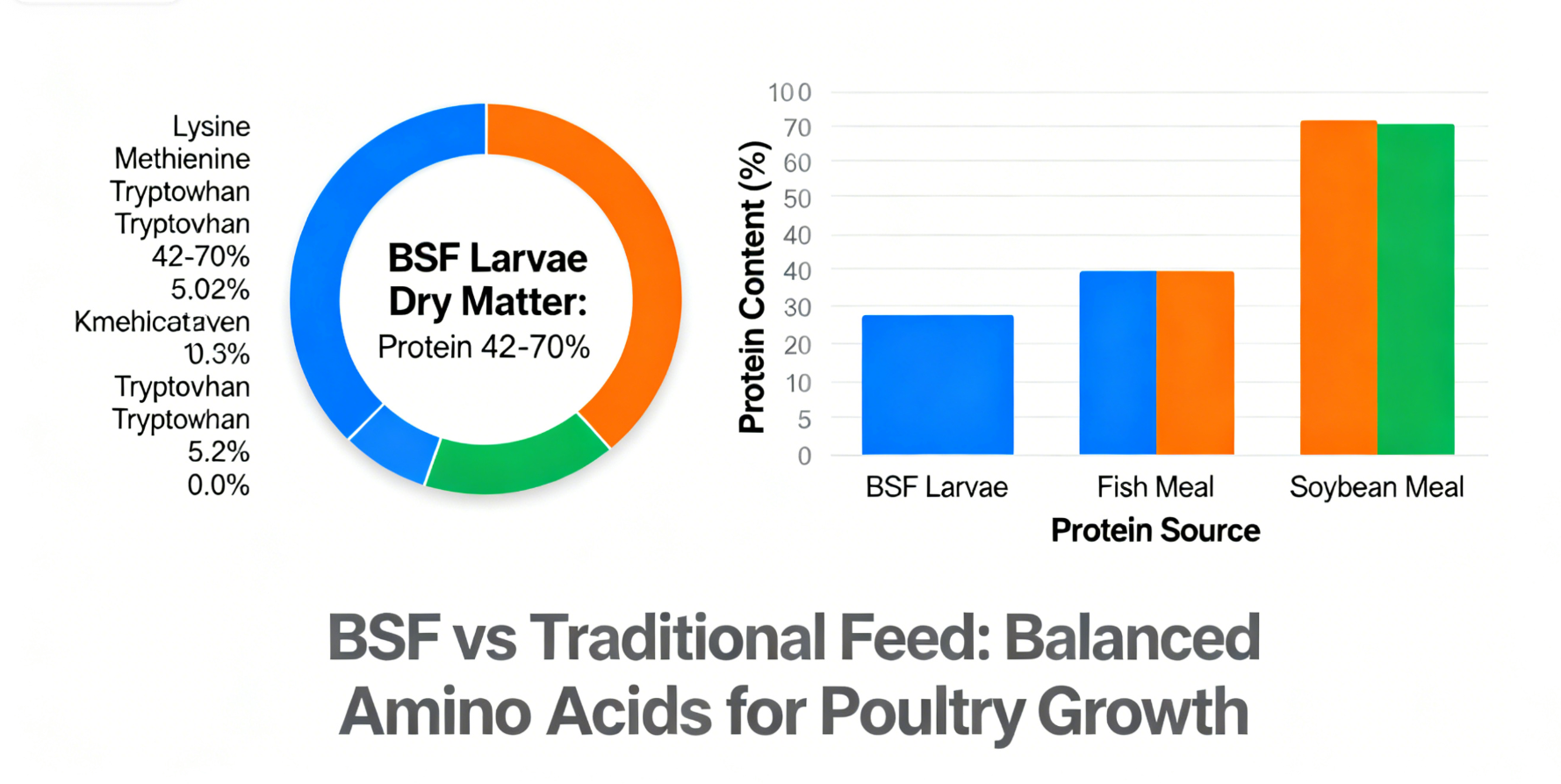
One of the main advantages of BSF larvae is their exceptionally high protein content, which can reach 42-70% in dry matter. This protein is characterized by high biological value and a balanced profile of essential amino acids, critical for the growth, development, and productivity of poultry. Research shows that the amino acid composition of BSF is comparable to that of fish meal, the gold standard of feed proteins. In particular, BSF-based products contain significant amounts of lysine, methionine, and tryptophan—key amino acids that are often limiting in grain-based diets. For example, a study by Kazan scientists showed that adding natural dried larvae to the feed of quail chicks led to a significant increase in the content of these amino acids in eggs: lysine by 17%, methionine by 16%, and tryptophan by 21%. This not only increases the nutritional value of the eggs for the consumer but also demonstrates the efficiency of BSF protein absorption by the bird. The high-quality protein ensures optimal muscle growth in broilers and supports high levels of egg production in laying hens, making BSF an indispensable component of modern feed mixtures.
1.1.2. Valuable Fat: A Source of Energy and Beneficial Fatty Acids
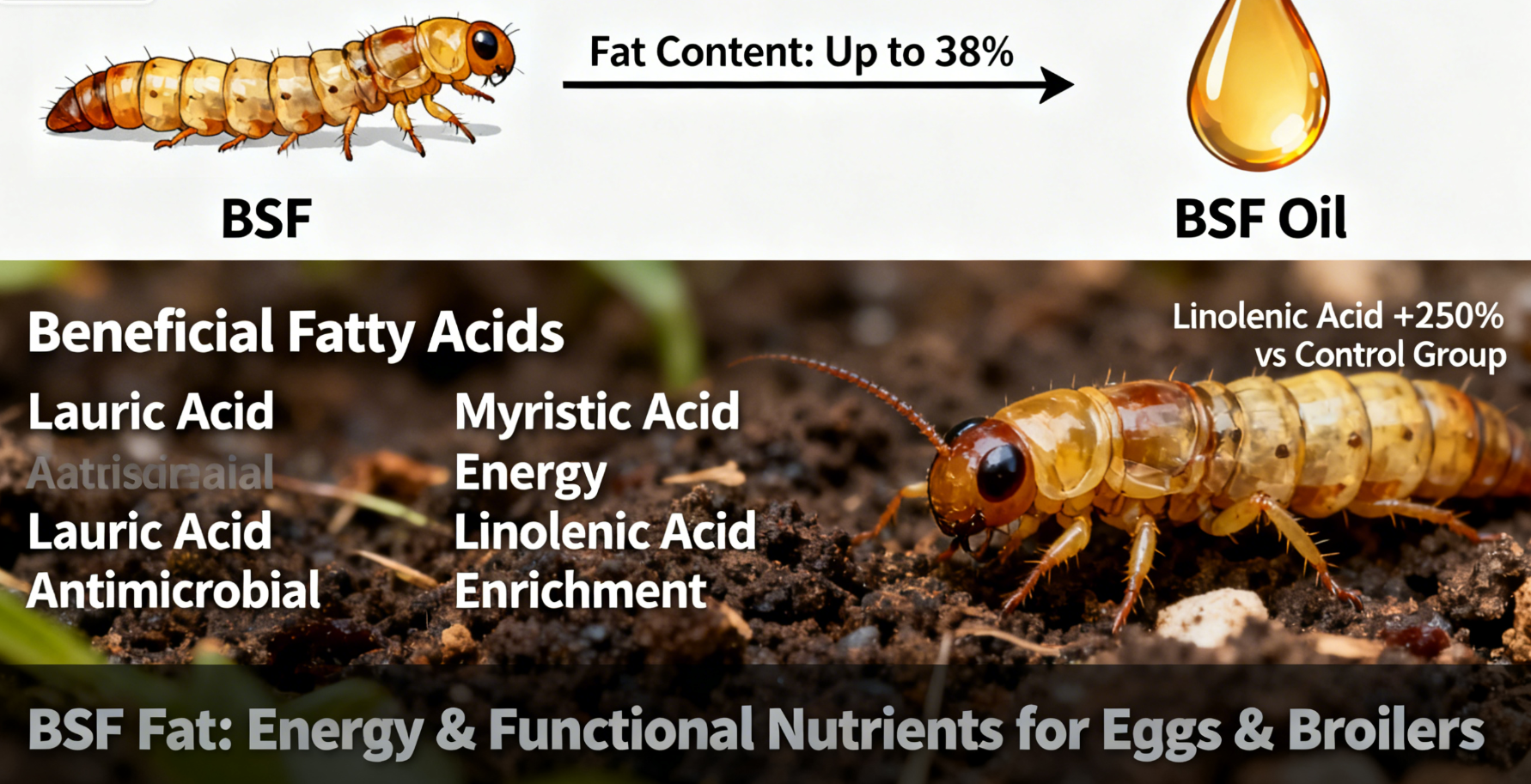
In addition to protein, BSF larvae are a rich source of fat (up to 38%), which represents concentrated energy for poultry. This fat has a unique composition, rich in saturated and monounsaturated fatty acids, including lauric and myristic acids, which have potent antimicrobial properties. Research shows that replacing traditional fat sources, such as corn oil, with BSF larvae oil improves the feed conversion ratio in broilers and increases the content of beneficial medium-chain fatty acids in the carcass. Furthermore, adding BSF to the diet of laying hens leads to a significant increase in the content of beneficial polyunsaturated fatty acids (PUFAs), such as linoleic and linolenic acids, in the egg yolk. In one experiment, the content of linolenic acid increased by 250% compared to the control group. This turns ordinary eggs into a functional product with enhanced nutritional value, which is an important competitive advantage in the market. Thus, BSF fat plays a dual role: on one hand, it effectively meets the energy needs of the bird, and on the other, it enriches the product with beneficial substances, increasing its appeal to health-conscious consumers.
1.1.3. Strengthening the Immune System: Chitin and Other Immunomodulatory Substances
BSF larvae contain chitin—a polysaccharide that is part of their exoskeleton, which has a positive effect on the immune system and gut health of poultry. Chitin and its derivatives, such as chitosan, possess immunomodulatory activity, stimulating the body's defense mechanisms. Additionally, BSF larvae contain natural antimicrobial peptides that help suppress the growth of pathogenic bacteria in the gut, such as Salmonella and E. coli. Research shows that including BSF meal in the diet of broilers promotes an increase in the population of beneficial bacteria of the genus Lactobacillus and a reduction in the level of harmful microorganisms in the intestine. This leads to improved gut health, which is a key factor for the effective absorption of nutrients and the overall well-being of the bird. Strengthening the immune system and improving gut microflora directly result in reduced morbidity and mortality of the flock, which is especially important in industrial poultry farming. Thus, BSF acts not only as a source of nutrition but also as a natural functional component that contributes to creating a more resilient and healthy poultry population.

1.1.4. Reducing Cholesterol and Triglyceride Levels in Poultry
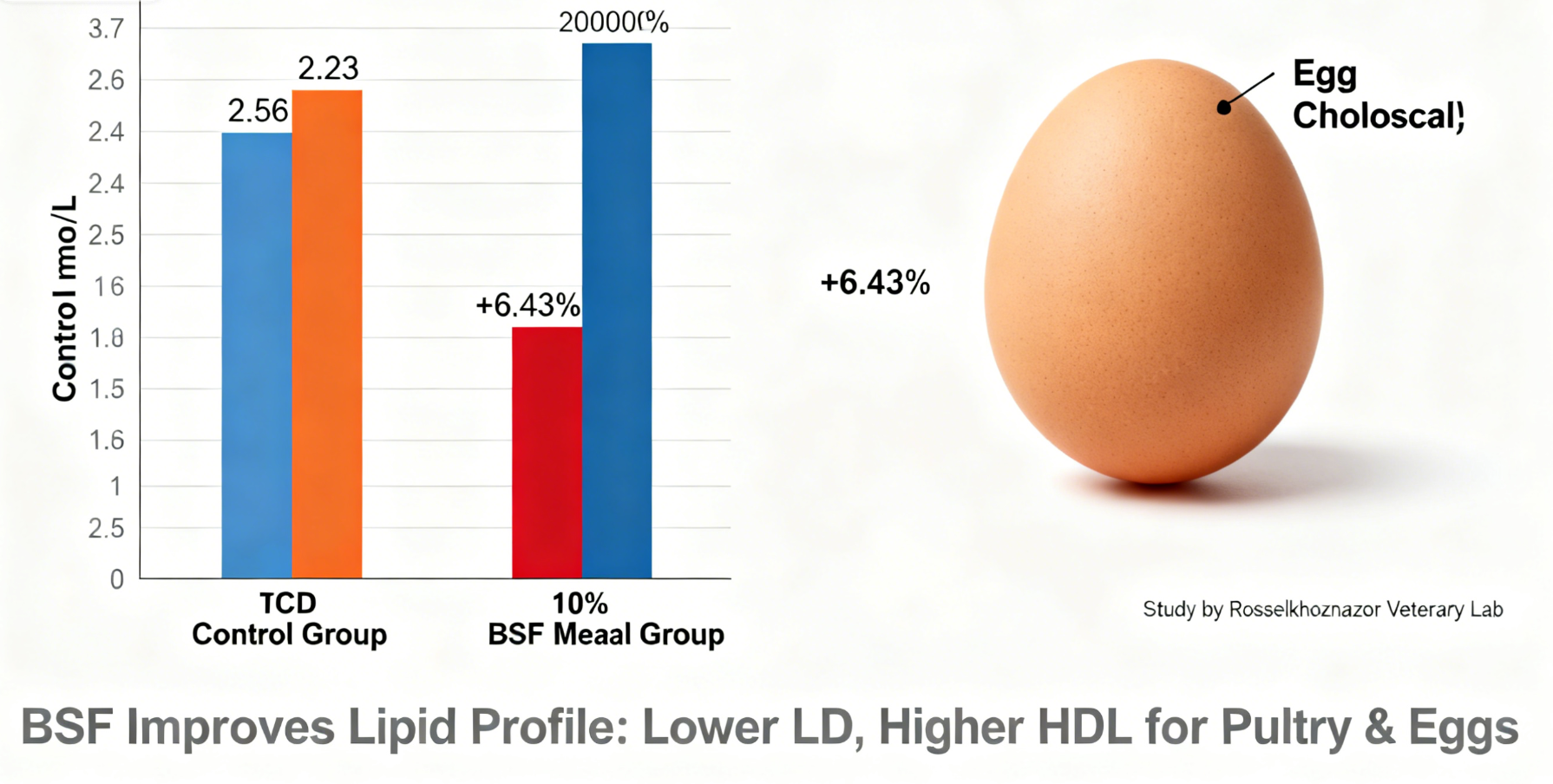
Including Black Soldier Fly (BSF) larvae in the poultry diet can help improve lipid metabolism and reduce the level of "bad" cholesterol in the body. Research conducted by Russian scientists on Hisex Brown laying hens showed that adding 10% defatted BSF larvae meal to the feed instead of soybean meal led to significant changes in the birds' blood lipid profile. In particular, a decrease in the level of low-density lipoproteins (LDL), or "bad" cholesterol, to 2.23 mmol/L was recorded compared to 2.56 mmol/L in the control group. Simultaneously, an increase in the level of high-density lipoproteins (HDL), or "good" cholesterol, by 6.43% was observed. These changes indicate that BSF promotes a healthier lipid profile, which can positively affect the cardiovascular health of the bird. Furthermore, another study conducted by the Central Scientific and Methodological Veterinary Laboratory Center of Rosselkhoznadzor found that adding BSF to the diet of laying hens helps reduce cholesterol levels in eggs. This is especially important for consumers concerned about their health and seeking to limit dietary cholesterol intake. Thus, the use of BSF in poultry feeding allows not only to improve the health of the birds themselves but also to produce healthier and more attractive products for consumers.
1.2. Economic Benefit: Reducing Cost and Increasing Profitability
The introduction of products based on Black Soldier Fly larvae into poultry farming opens significant economic prospects for Russian farmers. In the context of rising prices for traditional feed ingredients and an unstable currency situation, BSF offers a reliable and cost-effective alternative. The efficiency of using BSF is determined by several factors: high productivity, the ability to replace expensive imported components, and the potential to reduce veterinary costs by strengthening bird health. Russian and international research confirms that switching to feeds with BSF can lead to substantial cost savings without compromising flock productivity. This makes BSF technology particularly attractive for all segments of poultry farming—from large agro-holdings to small farms striving to optimize costs and increase the competitiveness of their products.
1.2.1. Effective Replacement of Expensive Imported Components (Fish Meal, Soybean Meal)
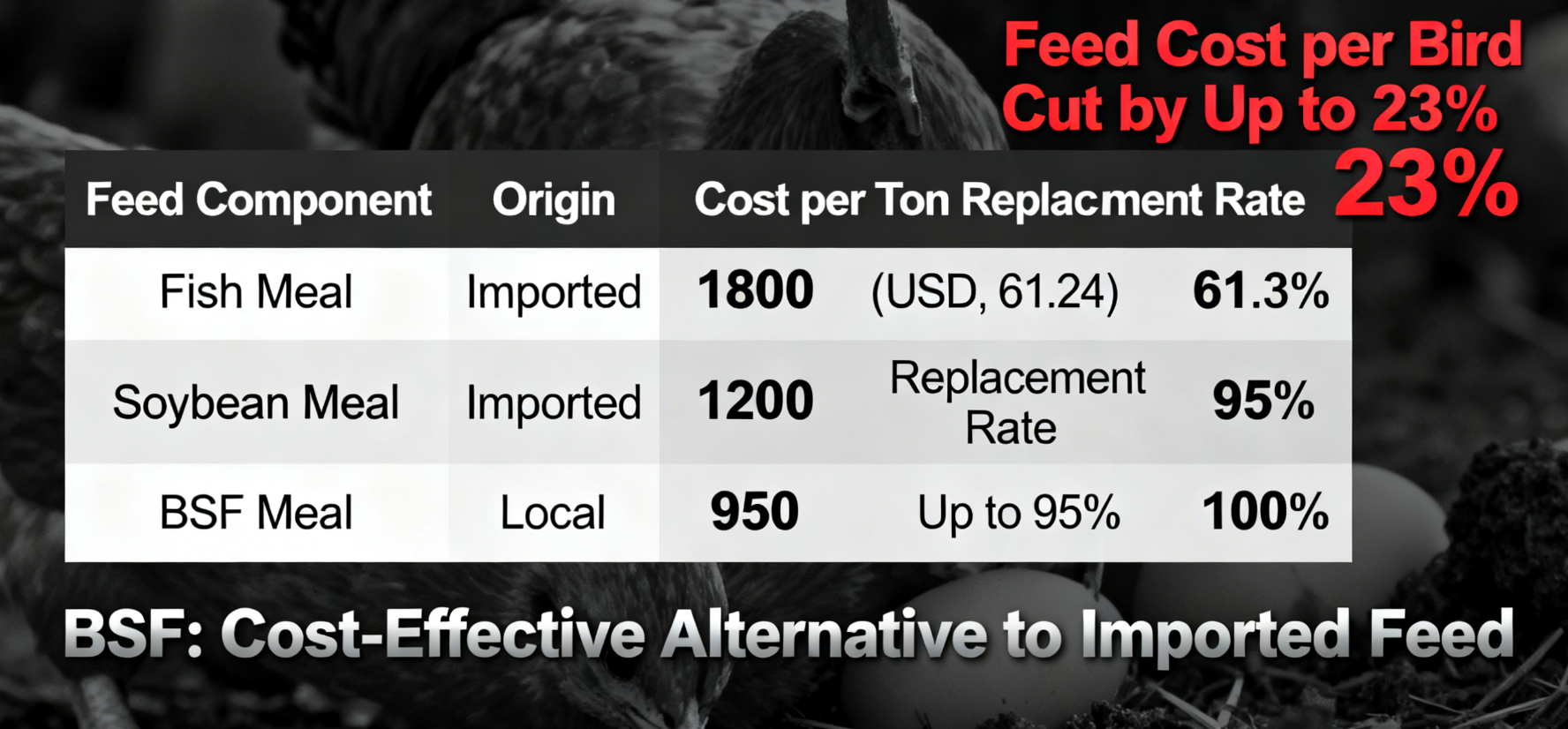
One of the main economic advantages of using BSF is the possibility of effectively replacing expensive and often imported protein sources, such as fish meal and soybean meal. In Russia, where about 95% of feed additives are imported, the introduction of BSF becomes a strategically important step within the import substitution program. The nutritional composition of BSF larvae meal is comparable to fish meal, allowing for a significant reduction in the share of the latter in the diet without loss of feed quality. For example, research shows that BSF can replace up to 61.3% of fish meal and 95.4% of fish oil in the diet of sturgeon, while maintaining high feed efficiency. Similar results have been obtained in poultry farming. A study conducted in Uganda showed that replacing up to 50% of traditional ingredients (corn, soybean meal, fish meal) with a mixture of rice waste, meat and bone meal, and BSF larvae led to improved growth and nutrient digestibility in broilers. This confirms that BSF is not just an alternative, but a full-fledged functional component capable of meeting the bird's needs for protein and other nutrients, while reducing dependence on external suppliers and global price volatility.
1.2.2. Reducing Feed Costs: Savings of up to 23% on Feed Cost per Bird
Switching to feeds with BSF additives directly translates into tangible savings for the farmer. Specific savings figures may vary depending on the initial cost of feed and the replacement rate, but the trend is clear—a reduction in production costs. For example, in one Chinese study where part of the fish meal in the broiler diet was replaced with BSF, the feed cost per bird decreased by 23%. This is achieved due to the lower production cost of BSF compared to traditional protein sources. BSF larvae efficiently convert organic waste into high-quality biomass, making their cultivation process relatively inexpensive. Furthermore, the high nutritional density of BSF means that less feed is required to achieve the same growth or egg production results. This reduces overall feeding costs, which constitute a significant portion of the operating expenses of any poultry farm. Thus, the use of BSF is not just a matter of ecology or a fashionable trend, but a rational economic decision aimed at increasing the profitability and sustainability of the business in the long term.
1.2.3. Increased Productivity: Increased Weight Gain and Egg Production
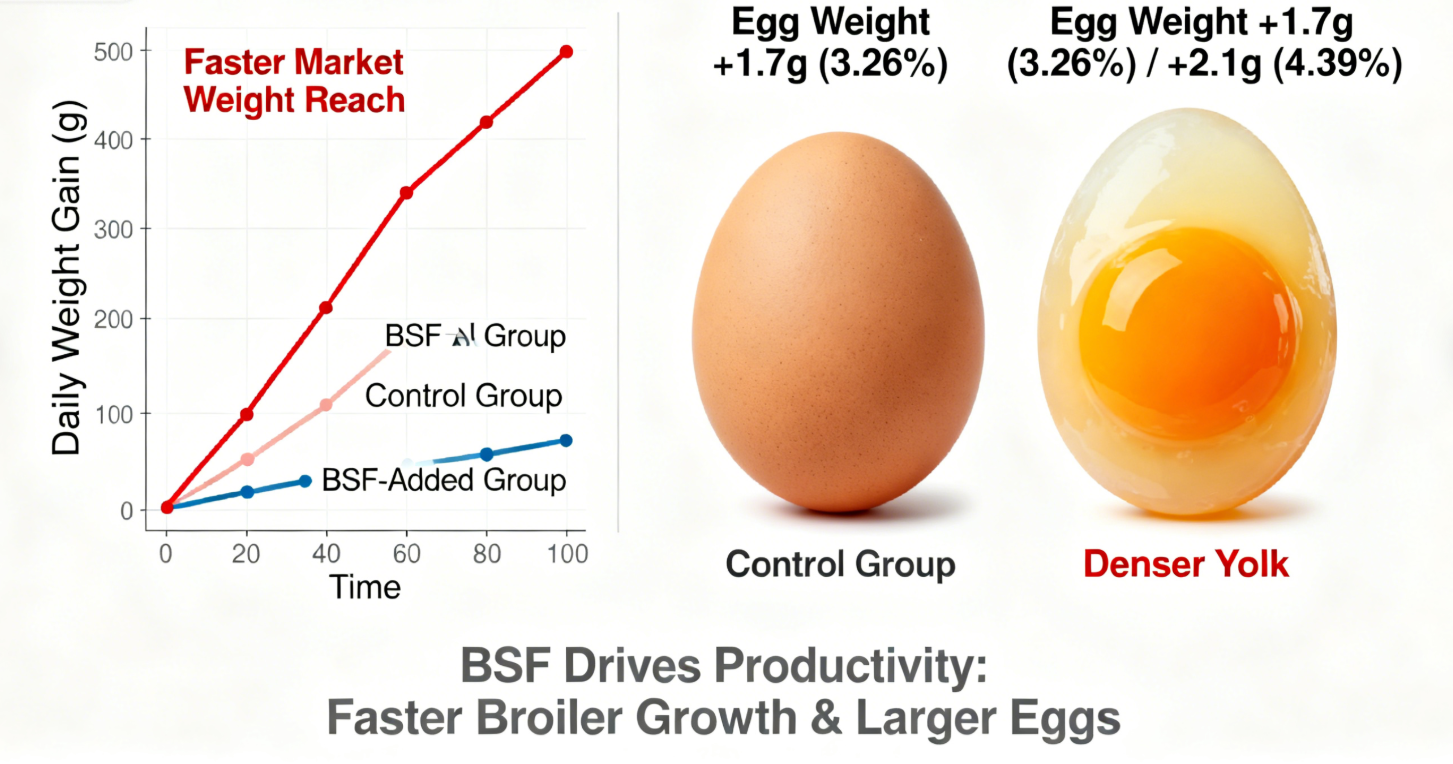
The use of BSF in poultry feeding is directly linked to the improvement of key productivity indicators. For broilers, this is manifested in increased average daily gains and improved feed conversion ratio (FCR). Research shows that including BSF meal in the diet of broilers promotes faster weight gain and more efficient conversion of feed into meat. This means that birds reach market weight faster, shortening the production cycle and increasing the turnover of poultry places. For laying hens, the effect is seen in an increase in egg mass and, potentially, egg production. A Russian study at a poultry farm in the Tula region showed that adding just 7.5% BSF protein-fat concentrate to the diet led to an increase in average egg weight by 1.7 g (3.26%), and with the addition of 10% — by 2.1 g (4.39%) compared to the control group. Larger eggs with denser yolks and albumen are valued higher on the market, which directly increases the farmer's income. Thus, BSF not only reduces costs but also contributes to the production of higher quality and more valuable products, which together ensures a significant increase in the overall profitability of the poultry farm.
1.3. Environmental Sustainability: Waste into Resources
The use of Black Soldier Fly larvae in poultry farming is not only economically beneficial but also an environmentally responsible solution, fully consistent with the principles of the circular economy and sustainable development. BSF technology effectively converts organic waste, which would otherwise end up in landfills, into valuable resources: high-quality protein feed and organic fertilizer (frass). This creates a closed production cycle, minimizing waste and reducing the negative impact on the environment. In the context of growing concerns about climate change and environmental pollution, the introduction of such sustainable technologies is becoming increasingly important for the agricultural sector. The Russian government has already recognized BSF cultivation as an agricultural industry, which emphasizes state support for the development of this direction. For farmers, especially in the organic and eco-friendly production segment, using BSF is an opportunity not only to improve economic performance but also to strengthen the reputation of a responsible producer that cares about nature.
1.3.1. Processing Organic Waste into High-Quality Feed
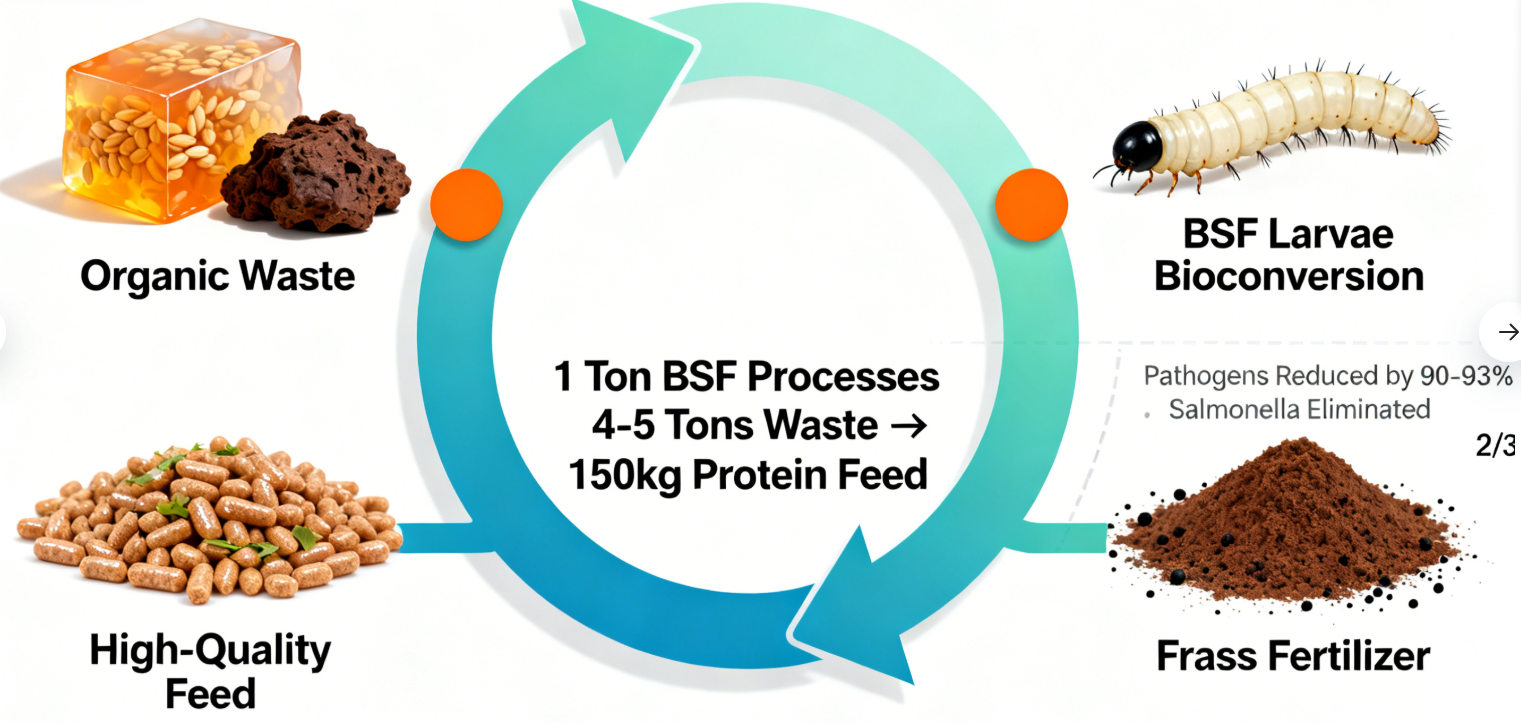
BSF larvae are natural "recyclers" of organic matter. They can efficiently process a wide range of organic waste, including food waste, agricultural residues, manure, and poultry litter. In the process of bioconversion, the larvae consume this waste and convert it into their own biomass, rich in protein and fat. One ton of BSF larvae can process from 4 to 5 tons of food waste, producing about 150 kg of high-quality protein. This not only solves the problem of waste disposal but also creates a valuable product from it. Importantly, during processing, BSF larvae also reduce the level of pathogenic microorganisms in the original substrate. Research shows that the survival rate of pathogenic bacteria in the frass decreases by 90-93%, and Salmonella spp. bacteria completely disappear from chicken manure after treatment with larvae. This makes BSF technology not only efficient but also safe from a sanitation standpoint, allowing farmers to create their own closed-loop production systems.
1.3.2. Reducing Carbon Footprint and Contributing to the Circular Economy
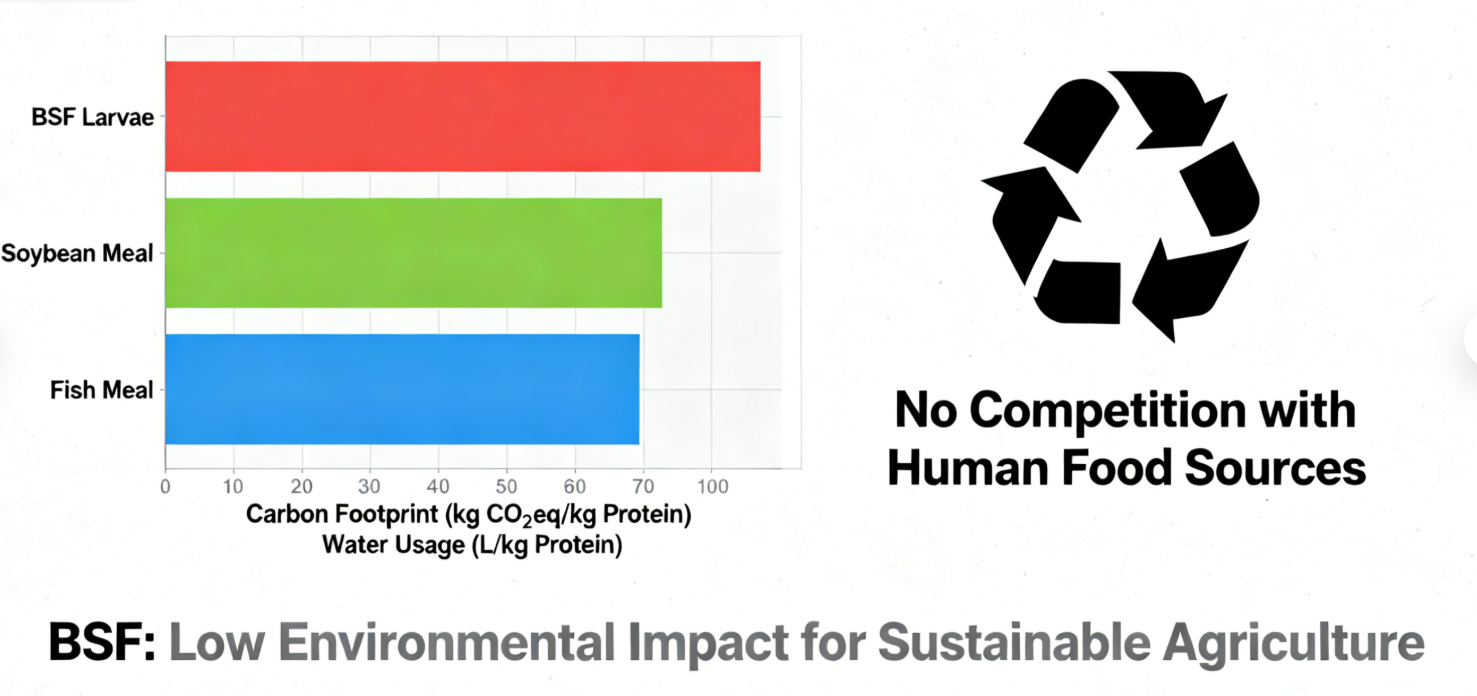
Protein production from BSF larvae has a significantly lower carbon footprint compared to traditional sources such as soybean meal or fish meal. This is because BSF require less land, water, and resources to cultivate. Moreover, their ability to process organic waste means they do not compete with human nutrition for resources, as is the case with soy. The introduction of BSF into agriculture is a direct contribution to the principles of the circular economy, where the waste of one process becomes the raw material for another. This reduces pressure on the environment, reduces greenhouse gas emissions from the decomposition of organic waste, and promotes more sustainable and resource-efficient agriculture. For farmers, especially those focused on eco-friendly and organic production, the use of BSF products is a way to demonstrate their commitment to sustainable development and attract conscious consumers who value environmentally friendly products.
1.3.3. Supporting Government Policy in Eco-Friendly Agriculture
In Russia, as in many other countries, state policy is increasingly aimed at supporting sustainable and environmentally friendly practices in agriculture. The use of BSF products in poultry farming fully aligns with these priorities. The BSF market in Russia is actively developing, and it is forecasted that by 2028 it will reach approximately 60 million US dollars, thanks to the support of government initiatives aimed at eco-friendly waste management and organic farming. The development of large BSF farms and their integration into waste management systems are key trends supported at the state level. Thus, farmers implementing BSF on their farms not only gain economic and environmental benefits but also demonstrate their alignment with national sustainable development priorities, which can open access to various forms of state support and preferences.

2. Scientifically Based Feeding Schemes: Recommendations for Broilers and Laying Hens
2.1. For Laying Hens: Improving Egg Quality and Productivity
2.1.1. Research Results in Russia: Experience of the Tula Poultry Farm
Russian research confirms the high efficiency of using BSF-based products in feeding laying hens. In one study conducted on Araucana laying hens, the effect of BSF meal on productivity and egg quality was studied. The results showed that adding BSF meal to the diet led to a significant improvement in egg production indicators and overall bird productivity. These data confirm that BSF products can be effectively integrated into the diets of laying hens without disrupting their physiological processes but, on the contrary, stimulating them. It is especially important that the improvement in productivity was accompanied by an increase in egg quality, making such products more competitive in the market. The experience of Russian poultry farms, such as the one in Tula, demonstrates that the introduction of BSF products is not an experiment but a proven practice that brings real economic and production benefits.
2.1.2. Recommended Additive Proportion: 7.5% - 10% BSF Protein-Fat Concentrate
Based on the results of Russian and international research, the optimal proportion of BSF additive in the diet of laying hens ranges from 7.5% to 10% in the form of a protein-fat concentrate. This range allows achieving the maximum effect in improving egg quality and productivity without significantly increasing feed costs. For example, a study on Hisex Brown hens showed that adding 7.5% of the concentrate increased egg mass by 1.7 g, and adding 10% — by 2.1 g. At the same time, it is important to consider that adding more than 10% may reduce feed digestibility due to the high chitin content. Therefore, it is recommended to start with a lower proportion (7.5%) and gradually increase it, monitoring the condition of the flock and product quality. This approach will allow selecting the optimal formula for the specific conditions of the farm.
2.1.3. Advantages: Increased Egg Mass, Higher Content of Beneficial Fatty Acids, Reduced Cholesterol
The use of BSF in feeding laying hens provides a number of significant advantages that directly affect the marketable appearance and nutritional value of eggs. First, as already mentioned, there is a significant increase in egg mass (up to 4.39%), making the products more attractive to buyers. Second, the biochemical composition of eggs improves: the content of beneficial polyunsaturated fatty acids (PUFAs), such as linoleic (+25%) and linolenic (+250%), increases. This turns an ordinary egg into a functional product beneficial for human health. Third, there is a reduction in the cholesterol level in the yolk, which is especially important for health-conscious consumers. All these advantages together allow the farmer to produce premium products that can be sold at a higher price, thereby increasing the profitability of their business.
2.1.4. Additional Research: Improved Egg Production and Chick Hatchability
In addition to improving egg quality, BSF supplementation in the diet of laying hens positively affects reproductive performance. In a study conducted on Hisex Brown hens, it was found that adding 10% defatted BSF larvae meal led to an increase in laying intensity by 2.47%. Moreover, an increase in hatching egg output by 1.60 eggs and an improvement in chick hatchability by 2.04% compared to the control group were noted. This indicates that BSF not only improves the external characteristics of eggs but also positively influences physiological processes related to reproduction. Improved chick hatchability is especially important for breeding farms, as it directly affects the efficiency of flock reproduction. Thus, the use of BSF provides a comprehensive improvement in all key indicators of egg production efficiency.
2.2. For Broilers: Accelerated Growth and Strengthened Health
2.2.1. Results of International Research: Experience from Uganda and Europe
International research confirms the high efficiency of BSF in feeding broilers. In a study conducted in Uganda, replacing part of the fish meal with BSF meal led to a 23% reduction in feed cost without negatively affecting bird growth. European research also shows that BSF can effectively replace traditional protein sources. For example, a study conducted in Belgium showed that including up to 15% defatted BSF meal in the diet of broilers had no negative effect on their growth performance and meat quality. These data confirm the universality of BSF as a feed ingredient suitable for various geographical and production conditions. The experience of foreign colleagues demonstrates that the introduction of BSF is a proven way to increase the economic efficiency of poultry meat production.
2.2.2. Recommended Additive Proportion: 10% - 20% Defatted BSF Larvae Meal
For broilers, the recommended proportion of BSF additive in the diet is from 10% to 20% in the form of defatted meal. This range allows achieving an optimal balance between economic efficiency and production performance. Research shows that including 10% defatted BSF meal in the diet promotes an increase in final body weight, average daily gain, and improvement in feed efficiency. At the same time, it is important to consider that adding more than 20% may reduce feed digestibility due to the high chitin content. Therefore, the optimal proportion should be selected individually, based on the specific conditions of the farm, the age of the bird, and the composition of the base diet. It is recommended to start with 10% and gradually increase the proportion, monitoring growth and the overall condition of the flock.
2.2.3. Advantages: Improved Feed Efficiency, Increased Weight Gain, Strengthened Immunity
The use of BSF in feeding broilers provides a number of significant advantages. First, there is an improvement in feed efficiency (FCR), meaning the bird gains more weight while consuming less feed. This directly reduces feeding costs and increases production profitability. Second, there is an increase in weight gains and accelerated growth, which allows shortening the growing cycle and increasing the turnover of poultry places. Third, BSF has pronounced immunomodulatory properties. Due to the content of chitin, antimicrobial peptides, and lauric acid, BSF strengthens the bird's immune system, reduces morbidity, and the need for antibiotics. This is especially important in industrial poultry farming, where high stock density creates a risk of infection spread.
2.2.4. Use of BSF Oil: An Alternative to Traditional Fat Sources for Improving Feed Digestibility
In addition to meal, BSF oil can be effectively used in broiler diets as an alternative to traditional fat sources, such as soybean or corn oil. BSF oil is a concentrated source of energy that is easily digested by the bird. Research shows that replacing part of traditional fats with BSF oil can contribute to improved feed digestibility and increased energy value. This is especially important in the starter period when the bird needs high-energy feed for rapid growth. Furthermore, BSF oil is rich in lauric acid, which has antimicrobial properties, further promoting gut health. The use of BSF oil allows farmers to create more efficient and economical diets, especially in the context of unstable prices for traditional oils.
2.3. Practical Application: How to Implement BSF in Your Diet
2.3.1. Step-by-Step Instructions for Adding Meal and Oil to the Feed Mixture
Implementing BSF products into the poultry diet is a simple process that does not require special equipment. BSF larvae meal can be added to the existing feed mixture in the recommended proportions, thoroughly mixed to ensure even distribution. BSF oil can be introduced into the feed by spraying the pellets or mixing with other liquid components of the diet. It is important to follow the recommended application rates and gradually transition to the new diet to avoid stress in the bird. Start with a small proportion (e.g., 5%) and gradually increase it to the optimal level over 7-10 days, monitoring appetite and the general condition of the flock.
2.3.2. Possibility of Producing Pelleted Feed with BSF
BSF products, both meal and oil, can be successfully used in the production of pelleted feed. BSF meal is easily integrated into the mixture before pelleting, and the oil can be added after the extrusion process, being absorbed into the hot pellets. Pelleted feed with BSF has several advantages: it is convenient for storage and transportation, ensures uniform consumption of nutrients by the bird, and reduces feed losses. Using BSF in the production of pelleted feed allows large poultry farms to create balanced and economical diets that meet high-quality standards.
2.3.3. Monitoring Flock Condition When Transitioning to a New Diet
When transitioning to a diet with BSF additives, it is important to carefully monitor the condition of the flock. In the first weeks, it is necessary to regularly check the bird's appetite, activity, and the quality of the litter. It is recommended to weigh the birds and track growth and egg production indicators. Any deviations from the norm should be a reason for adjusting the diet or consulting a veterinary specialist. It is also useful to periodically analyze the quality of eggs (mass, shell thickness, fatty acid content) and meat (carcass weight, meat yield) to objectively assess the effectiveness of BSF implementation. Systematic monitoring will allow timely identification and resolution of potential problems, ensuring maximum return on the new feeding program.
3. Individual Approach: Solutions for Every Type of Poultry Farm in Russia
3.1. For Large Poultry Farms: Cost Optimization and Production Scaling
3.1.1. Significant Cost Reduction by Replacing Imported Raw Materials
For large poultry farms, where feeding volumes amount to thousands of tons, even a small reduction in feed cost per unit of production can lead to million-dollar economic effects per year. The introduction of BSF products allows for a significant reduction in costs by replacing expensive imported components, such as fish meal and soybean meal, which constitute a significant part of the feed cost. Savings of up to 23% on feed cost per bird, confirmed by research, when scaled to thousands and tens of thousands of birds, becomes a colossal competitive advantage. Furthermore, switching to locally produced or sustainably imported BSF products reduces dependence on fluctuations in world prices and exchange rates, ensuring stability and predictability of costs, which is critically important for long-term planning and investment.
3.1.2. Ensuring Stable Product Quality and Compliance with Standards
Large poultry farms operate under strict requirements for product quality and compliance with standards. The use of BSF products allows not only to reduce costs but also to improve the quality of the final product. For laying hens, this is manifested in increased egg mass, improved shell quality, and enrichment of eggs with beneficial substances. For broilers—in increased weight gains and improved feed efficiency. This allows the production of products that meet and even exceed market requirements. Moreover, strengthening the bird's immune system through BSF reduces morbidity and flock losses, further stabilizing production performance and ensuring uninterrupted supplies of products of the required quality.
3.1.3. Possibility of Integration into Waste Management Systems
For large poultry farms that generate significant volumes of organic waste (poultry manure, food waste), BSF technologies open up unique opportunities for integration into waste management systems. BSF larvae can effectively process this waste, turning it into high-quality feed and organic fertilizer. This creates a closed production cycle, minimizing the environmental footprint of the enterprise and reducing waste disposal costs. Implementing such systems not only solves environmental problems but also creates an additional source of income from the sale of fertilizers and reduces the cost of purchasing feed. This turns the poultry farm from a potential source of pollution into an element of a sustainable agro-ecosystem, which corresponds to modern trends in the environmental responsibility of business.
3.2. For Small and Medium-Sized Farms: Simplicity and Accessibility
3.2.1. Ease of Implementation Without Capital Investment in Equipment
One of the main advantages of BSF products for small and medium-sized farms is their ease of use and the lack of need for capital investment. BSF meal and oil can be easily added to existing diets without changing the feeding technology. This allows farmers to quickly and without significant costs start benefiting from the new feed. Unlike large productions that may require modernization of pellet feed production lines, small farms can simply mix BSF products with other ingredients manually or with simple mechanical mixers. This makes BSF technology accessible to farmers of any income level.
3.2.2. Increasing Competitiveness by Improving Product Quality
For small and medium-sized farms competing with large producers, product quality is the key to success. The use of BSF products allows significant improvement in the quality of meat and eggs, making them more attractive to consumers. Increasing egg mass, enriching it with beneficial fatty acids, and reducing cholesterol levels—all this turns ordinary products into premium ones. This allows farmers to set a higher price and find their niche in the market, focused on healthy and high-quality nutrition. Improving product quality is a direct path to increasing profits and strengthening the reputation of a reliable producer.
3.2.3. Possibility of Using Local Sources of Organic Waste
Small and medium-sized farms often have access to local sources of organic waste, such as food waste, agricultural residues, or manure. BSF technologies allow the effective use of these resources, turning them into valuable feed. This creates a closed cycle on the farm, reduces waste disposal costs, and reduces dependence on external feed suppliers. The ability to produce part of the feed independently is a significant competitive advantage, especially in conditions of unstable prices. This makes the farm more sustainable and independent, increasing its economic resilience in the long term.
3.3. For Organic and Eco-Friendly Farms: Alignment with the Philosophy of Sustainable Development
3.3.1. 100% Natural and Eco-Friendly Protein Source
For organic and eco-friendly farms, where a key principle is the rejection of synthetic additives and minimizing environmental impact, BSF products are ideally suited. This is a 100% natural and eco-friendly source of protein, fat, and other nutrients. BSF larvae are raised on organic waste without the use of chemicals, which fully aligns with the philosophy of organic farming. Their use allows farmers to provide the flock with complete feed without violating the principles of environmental friendliness and sustainability. This is especially important for obtaining and maintaining organic certifications, which require strict adherence to production standards.
3.3.2. Increasing Product Value for Conscious Consumers
Products produced on organic and eco-friendly farms are aimed at conscious consumers who value not only quality but also the production method. Using BSF products in poultry feeding is a powerful marketing tool that allows demonstrating a commitment to the principles of sustainable development. Eggs and meat produced using BSF have improved nutritional characteristics (more PUFAs, less cholesterol) and are produced without antibiotics. This allows farmers to position their products as premium and healthy, which justifies a higher price and creates a loyal customer base.
3.3.3. Possibility of Obtaining Additional Certifications and Premiums
Implementing BSF technologies can facilitate obtaining additional certifications and premiums. Many programs encouraging sustainable agriculture and eco-friendly waste management recognize the use of BSF as an innovative and environmentally responsible practice. Farmers implementing such technologies can expect support in the form of grants, subsidies, or tax benefits. Furthermore, having such certifications enhances the farm's reputation and opens access to new markets, including restaurants, health food stores, and export supplies. This turns environmental responsibility from an obligation into a powerful tool for business development.
4. Conclusion: Your Step to Successful and Sustainable Poultry Farming
4.1. Summary: Key Benefits of BSF for Russian Farmers
Black Soldier Fly (BSF) larvae are not just a new feed ingredient but a comprehensive solution for Russian poultry farming that combines economic benefit, environmental responsibility, and care for bird health. Their use allows:
Substantially reduce production costs by replacing expensive imported proteins and improving feed efficiency.
Increase flock productivity, increasing weight gains in broilers and improving egg quality in laying hens.
Strengthen bird health and reduce the use of antibiotics due to the immunomodulatory properties of BSF.
Create a sustainable production system, turning organic waste into valuable resources and reducing the environmental footprint.
BSF products are suitable for poultry farms of all scales—from large agro-holdings to small family farms—and fit perfectly into the concept of organic and eco-friendly production.
4.2. Invitation to Cooperate: How to Start the Path to Increased Profit and Quality
We invite you to join the poultry farming revolution and start the path to more profitable, sustainable, and healthy production. Starting is simple: order a trial batch of our BSF products and see their effectiveness for yourself. Our specialists will help you select the optimal feeding scheme for your type of flock and farm conditions. We offer not just products, but partnership aimed at your success. Together, we can make Russian poultry farming more competitive, environmentally friendly, and consumer-oriented.
We’d love to hear from you! Whether you’re looking for sustainable BSF protein solutions,
partnership opportunities, or technical information — our team is here to help.
📧 Email: mailto:[email protected]/
WhatsApp:https://api.whatsapp.com/send/?phone=8615322415751
🌐 Website: www.bsfchina.com