
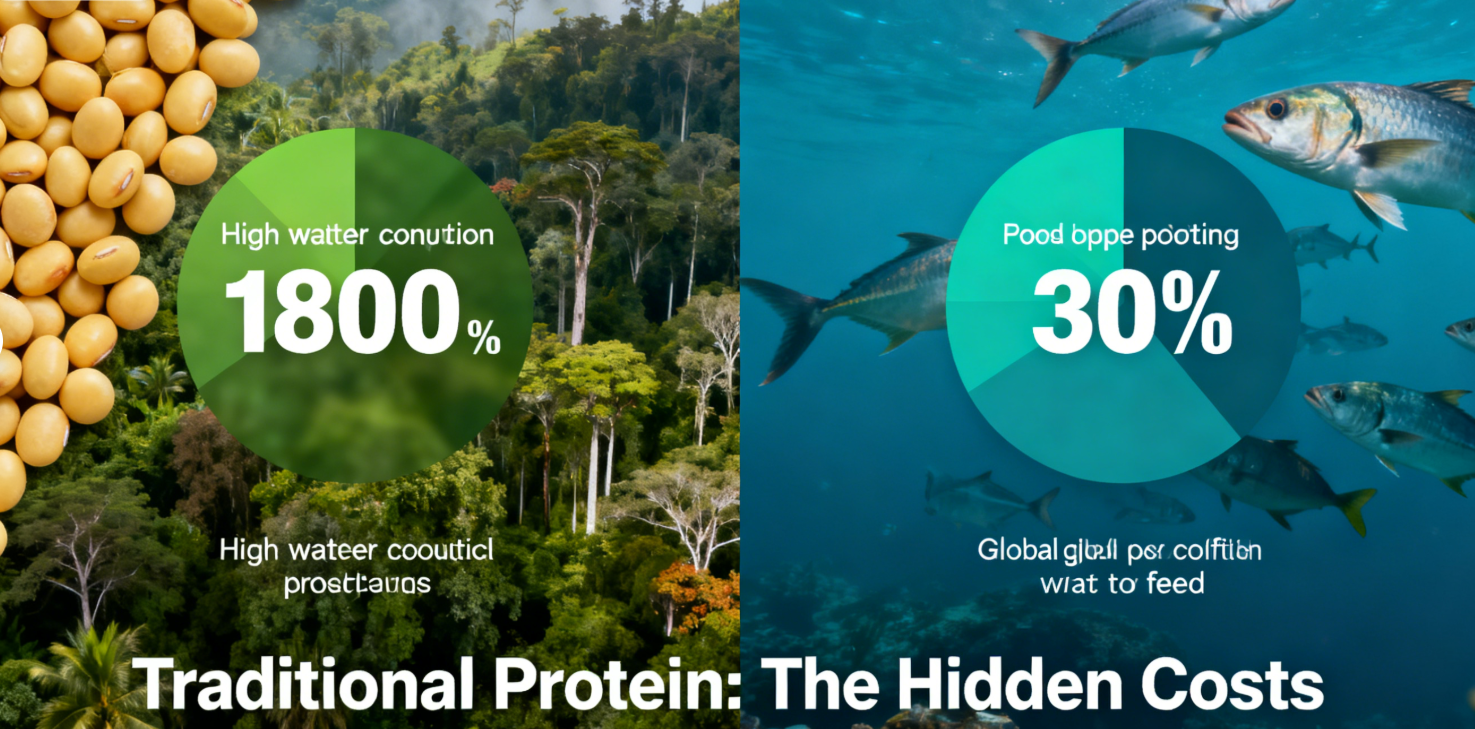
The global animal feed protein market is undergoing an unprecedented shake-up, driven by pressing challenges in traditional supply chains and a growing urgency for sustainable solutions. For decades, soy and fishmeal have dominated as the go-to protein sources for aquaculture, poultry, and livestock farming. However, today’s reality paints a stark picture: soy production requires 1,800 gallons of water per pound and contributes to deforestation in critical ecosystems like the Amazon. Fishmeal, on the other hand, relies on overfishing—with 30% of global fish catches used for feed, depleting marine populations and disrupting ocean food webs. It’s in this context that black soldier fly (BSF) protein has emerged as a transformative force, offering a way to rebalance the industry while delivering tangible benefits for producers and the planet.
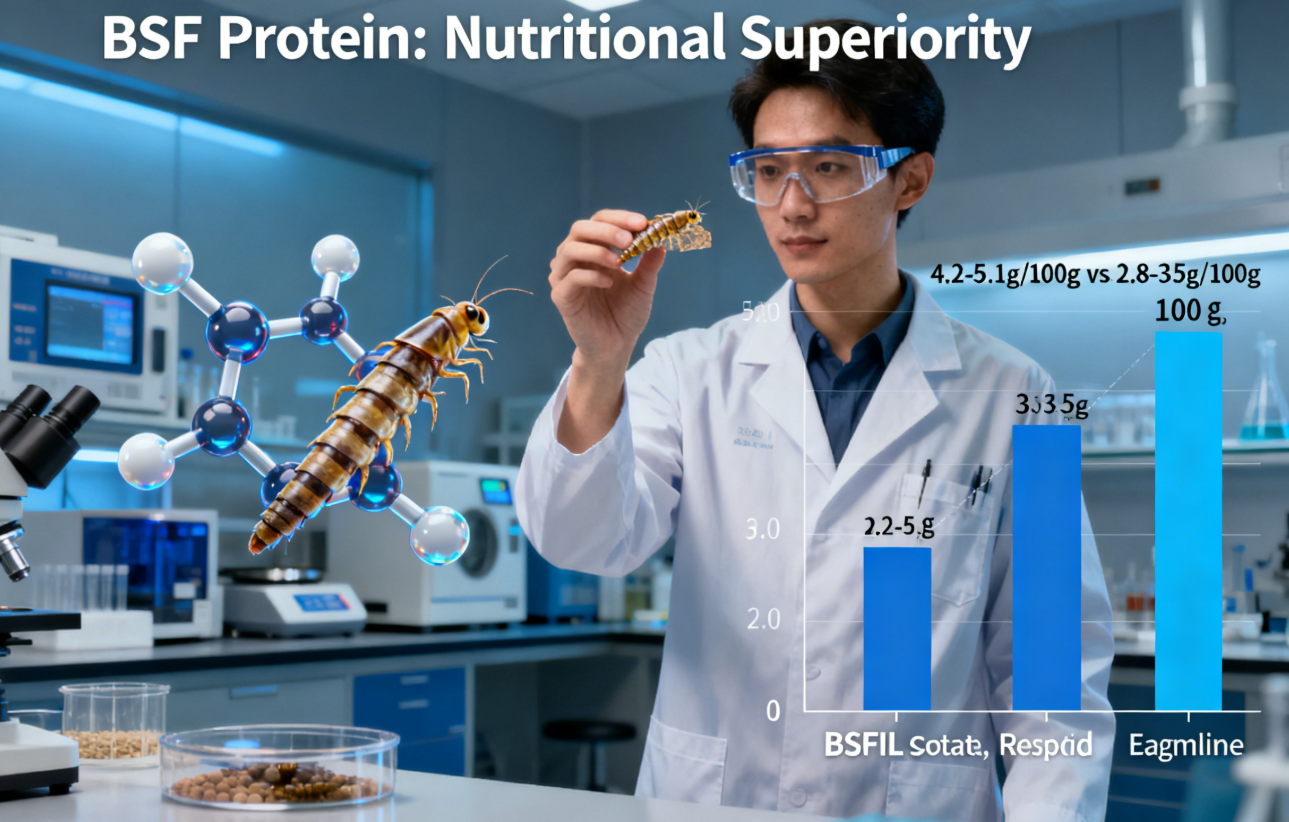
BSF larvae (BSFL) are not just a “green alternative”—they are a high-performance solution backed by hard data. Dried BSFL contain 40-60% crude protein, with an amino acid profile that rivals or surpasses soy and fishmeal. Lysine, an essential amino acid critical for animal growth, is present at 4.2-5.1 g/100g in BSFL, compared to 2.8-3.5 g/100g in soymeal. Methionine, another key nutrient often lacking in plant-based feeds, is also abundant in BSFL, reducing the need for expensive synthetic additives. What sets BSFL apart, though, is their remarkable efficiency: they convert organic waste into protein at a rate 10 times faster than cattle and require 98% less land and water than soy production. A 2023 study by the Food and Agriculture Organization (FAO) found that replacing just 20% of fishmeal with BSFL in aquaculture feeds reduces greenhouse gas emissions by 34% and cuts reliance on wild fish stocks by 28%.
The commercial case for BSF protein is equally compelling. As of 2024, major markets like the EU, U.S., and Singapore have approved BSFL for use in aquaculture and poultry feed, opening doors for large-scale adoption. In Europe, aquaculture producers who switched to BSFL-based feeds reported a 15% increase in fish growth rates and a 20% reduction in feed conversion ratios—translating to lower costs and higher yields. In the U.S., pet food brands incorporating BSFL protein have seen a 30% rise in consumer interest, driven by demand for “clean label” and sustainable products. Even in emerging markets like Southeast Asia, BSF farms are sprouting up, leveraging local organic waste streams (such as palm oil by-products) to create cost-effective feed for smallholder poultry farmers.
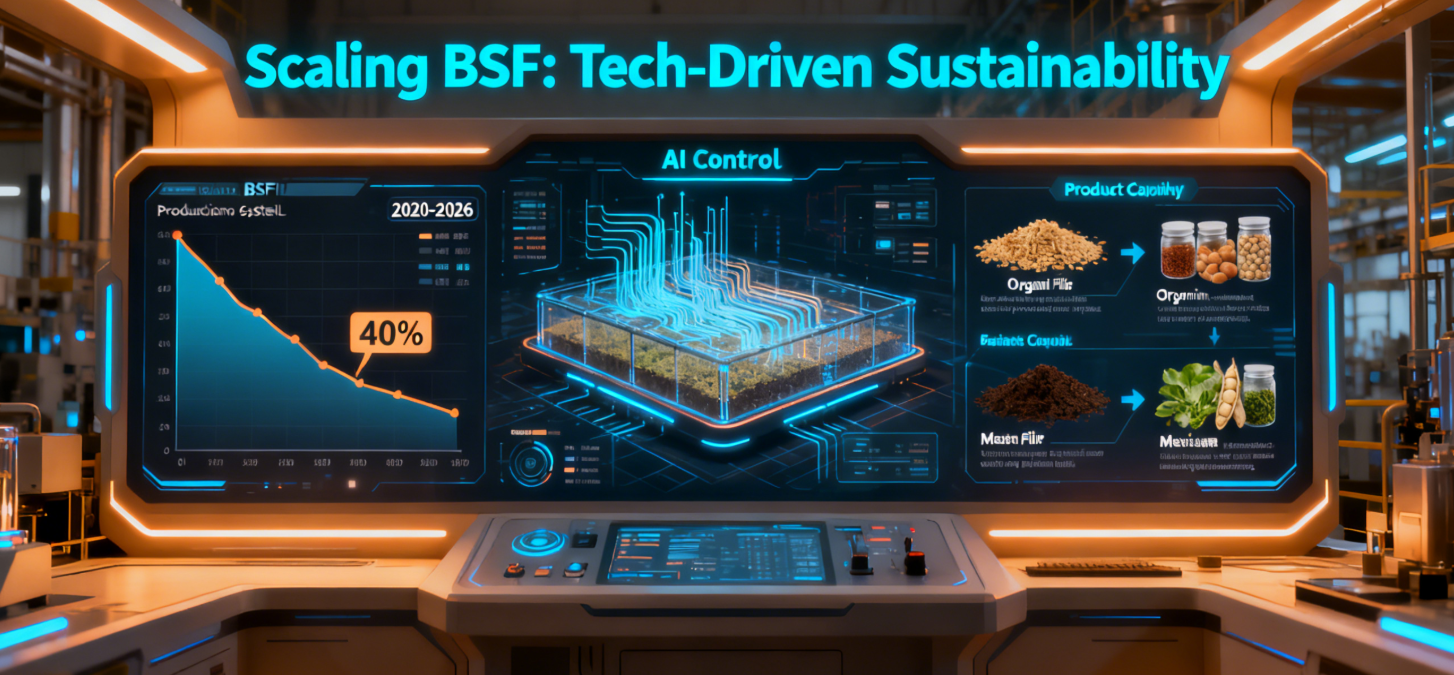
Critics often cite scalability and cost as barriers to BSF adoption, but technological advancements are rapidly addressing these concerns. Automated BSFL farming systems, equipped with AI-driven climate control and waste management, have reduced production costs by 40% since 2020. Companies like Protix and EnviroFlight now operate facilities capable of producing 10,000+ tons of BSFL protein annually, with plans to double capacity by 2026. Additionally, the by-products of BSFL production—including organic fertilizer and chitin (used in pharmaceuticals and cosmetics)—create additional revenue streams, making BSF operations even more economically viable.
Conclusion
We’d love to hear from you! Whether you’re looking for sustainable BSF protein solutions,
partnership opportunities, or technical information — our team is here to help.
📧 Email: mailto:[email protected]/http://[email protected]
WhatsApp:https://api.whatsapp.com/send/?phone=8615322415751
🌐 Website: www.bsfchina.com